


Your buying and selling of physical gold

Coins sourced from the market
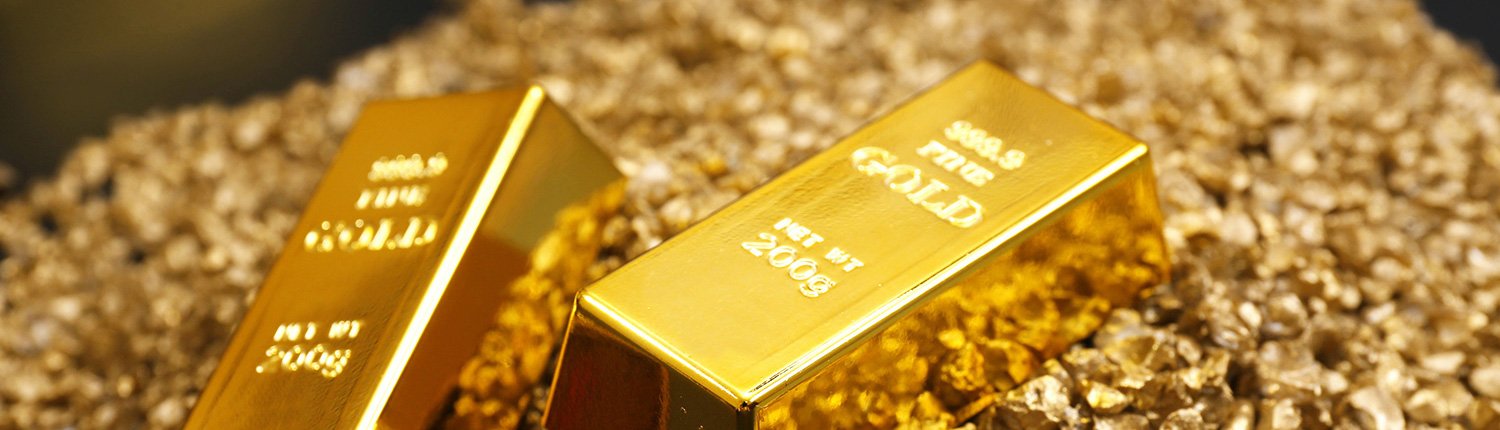
A diverse selection of ingots from recognized refiners and compliant with LBMA standards, as well as investment coins selected for their quality, authenticity and market recognition.

Dedicated advisors
Personalized support in carrying out your investment projects, provided by a dedicated advisor and supported by a team of experts specializing in numismatics.

Resell in one click at the best price
Secure access to a simple and intuitive interface, allowing you to track your acquisitions and manage your buying and selling operations independently, with real-time visibility.

Optimized taxation
When reselling your acquisitions, we support you in implementing solutions that comply with current regulations, in order to identify tax mechanisms that may reduce the tax burden applicable to your transactions, when the conditions provided for by law are met.
The Basic Principles of Gold
Gold: A Time-Recognized Asset
For centuries, gold has held a special place in wealth preservation and diversification strategies. Once used as a medium of exchange and a store of value, this precious metal continues to attract significant interest from investors seeking to integrate a tangible asset into their portfolios.
In a constantly evolving economic and geopolitical environment, gold continues to capture market attention. Changes in monetary policy, international tensions, and periods of uncertainty can influence demand for the precious metal, both from central banks and from individual and professional investors.
Gold coins and bars also have an established international market and can be traded through specialized professionals. DGB Global Capital supports its clients in their physical gold transactions, prioritizing an approach based on transparency, high-quality information, and market expertise.
Our approach is to facilitate the buying and selling of physical gold and silver, for both individuals and professionals. Our expertise allows us to support our clients in their projects, particularly those involving bars, ingots, and investment coins, taking into account the specific characteristics of each product.
DGB Global Capital therefore emphasizes the quality of its support, the transparency of its operations, and the availability of its teams in order to offer each client a personalized approach tailored to their objectives and wealth management plan.
How is the price of gold determined today?
The price of gold is established on major international markets through transactions between various participants. The precious metal is traded on several major financial exchanges, notably in London, New York, Zurich, and the main Asian financial centers. This activity contributes to the formation of a benchmark price that is monitored globally.
The spot price corresponds to the benchmark price of gold for immediate or very short-term delivery. Its fluctuations are constantly monitored by professionals and investors and can vary depending on supply and demand, economic conditions, interest rates, monetary policies, and the geopolitical context.
When an investor buys or sells physical gold from a professional, the price actually applied may differ from the spot price. This difference is due in particular to the characteristics of the product, the costs associated with its supply, storage, and authentication, as well as the commercial terms offered by the professional.
Understanding the Difference Between Buying and Selling Prices
The selling price: This is the price at which the professional offers to buy the product. It may be higher than the reference price of gold to account for costs and margins associated with the transaction.
The buying price: This is the price at which the professional agrees to buy back the product. It may be lower than the reference price depending on market conditions and the characteristics of the gold in question.
The difference between the price at which a professional sells a product and the price at which they agree to buy it back is generally referred to as the spread. This difference can vary according to several parameters:
- the nature and format of the product;
- the quantity of gold traded;
- the liquidity of the product on the market;
- supply and demand conditions;
the costs associated with the transaction and the services offered. Therefore, the price of a coin or ingot does not depend solely on the international gold price. For physical gold, factors such as the premium, certification, refiner’s mark, the potential rarity of a coin, or its condition can also influence the final transaction price.
Understanding these different elements allows investors to better assess the price offered during a purchase or sale transaction and to clearly distinguish the metal’s reference price from the actual price applied to a physical product.
The Main Factors Determining the Price of Gold
The price of gold fluctuates under the influence of a range of economic, financial, and geopolitical factors. These factors are closely linked and can sometimes act in opposite directions. To understand the variations of this precious metal, several elements deserve particular attention.
1. The Role of the US Dollar
Gold is primarily quoted on international markets in US dollars per troy ounce, with one troy ounce corresponding to approximately 31.103 grams. Fluctuations in the dollar are therefore an important factor in the evolution of the price of gold.
All other things being equal, an appreciation of the dollar can make gold more expensive for investors using other currencies and put pressure on demand. Conversely, a depreciation of the dollar can make the precious metal more attractive to international buyers. For an investor located in the Eurozone, the euro’s exchange rate against the dollar must also be considered, as it can amplify or mitigate the impact of gold prices expressed in euros.
2. Interest Rates and Monetary Policies
The decisions of major central banks, particularly the US Federal Reserve (Fed) and the European Central Bank (ECB), are another important factor. Since gold does not generate income in the form of interest, its attractiveness can be influenced by the level of real interest rates and the returns on other available investments.
When interest rates rise, higher-yielding assets can become relatively more attractive and put pressure on the demand for gold. Conversely, a decrease in interest rates or expectations of monetary easing can contribute to increased interest in the precious metal. Inflation and expectations regarding its evolution also play a significant role in investors’ decisions.
3. Inflation and Economic Expectations
Gold has historically been associated with preserving wealth during periods of rising prices. When investors anticipate a decline in the purchasing power of currencies, some may seek to diversify their portfolios with tangible assets or those considered likely to retain value over the long term.
However, the relationship between inflation and the price of gold is not automatic. Markets also take into account interest rates, central bank policies, growth prospects, and future expectations. Gold’s performance therefore results from the interaction of several factors rather than a single economic indicator.
4. The Geopolitical Context and Financial Uncertainty
International tensions, conflicts, financial crises, trade uncertainties, or the prospect of an economic slowdown can rapidly alter investor behavior. In these environments, gold may be more sought after due to its historical role as a diversification asset and a store of value.
The intensity of this effect, however, depends on the nature and duration of each event. When market expectations change or tensions ease, investment flows into gold can also shift.
5. The Balance Between Supply and Demand
As with any market, the price of gold also depends on the balance between available quantities and the demand from various market participants. Several factors must be considered:
- global mining production and changes in extraction capacity;
- central bank purchases and reserve management;
- jewelry demand, which is particularly strong in several international markets;
- industrial and technological needs, especially in electronics;
- investment demand, including physical gold and certain financial products linked to the precious metal.
All other things being equal, an increase in demand can exert upward pressure on prices, while a decrease in demand or an increase in available supply can have the opposite effect. In reality, these elements evolve in tandem with monetary, financial, and geopolitical factors.
Understanding the price of gold therefore requires a comprehensive analysis of the market. The dollar, interest rates, inflation, the geopolitical context, and the balance between supply and demand are all variables that can influence its evolution and must be analyzed together rather than in isolation.
“Without gold, there is no way to protect savings from confiscation by inflation.”
ALAN GREENSPAN
Former chairman of the Fed
CONTACT US
Would you like to learn more about our investment solutions?
DGB Global Capital is available to present its services and answer your questions. Simply complete the contact form below, and our team will contact you shortly to provide the information you need.
OUR PARTNERS







Company in the legal form of a limited liability company, duly registered and regulated according to the financial standards in force in Luxembourg
DGB Capital Management
OPENING HOURS
Monday to Friday, 8am to 12pm
Monday to Thursday, 2pm to 7pm